 blog
blog
Wholesale Food Supply for Ghana Restaurants: 2026 Guide
Table of Contents
- What Ghana Restaurants Need From a Wholesale Food Supply Partner
- How to Compare Food Wholesalers in Ghana
- Restaurant Food Procurement Checklist Before You Commit
- Bulk Food Ordering for Restaurants: Quantities, Minimums and Payment Terms
- Wholesale Food Delivery in Ghana: What Reliable Service Looks Like
- Local Versus Imported Sourcing for Ghanaian Restaurant Kitchens
- Conclusion
- Frequently Asked Questions
Last Updated: October 18, 2026
What Ghana Restaurants Need From a Wholesale Food Supply Partner
A wholesale food supply partner is a distributor that sells food products to restaurants in bulk at trade prices, with reliable delivery and consistent stock. For Ghanaian restaurants, that relationship decides whether the kitchen opens on time or sends staff to the market at dawn.
Below, we break down what to demand before you sign an account.
Product Range: Staples, Proteins and Specialty Foods
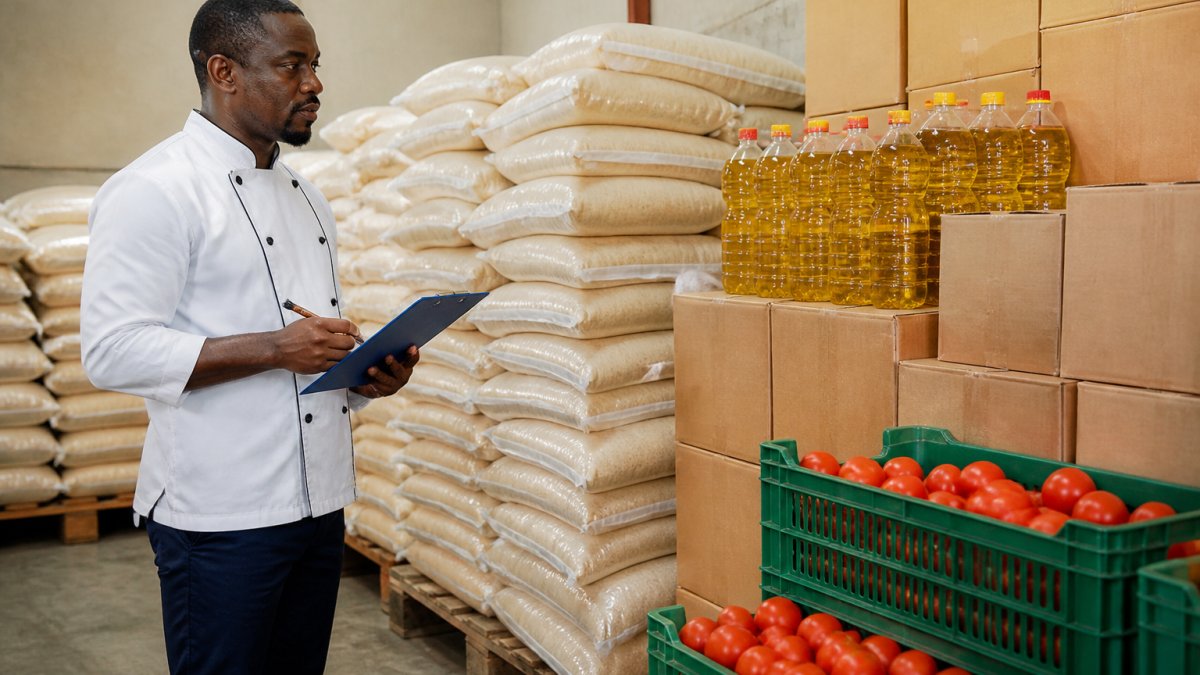
A serious wholesale food distributor in Ghana stocks three layers. The first is staples: rice, flour, sugar, cooking oil, pasta, canned tomatoes and sardines. The second is proteins: frozen chicken, mackerel, seafood and meat products. The third is specialty foods and world foods for menus that go beyond local dishes.
If your supplier covers only one layer, you end up juggling three vendors. That costs time and weakens your negotiating position.
Storage, Safety and Traceability Checks
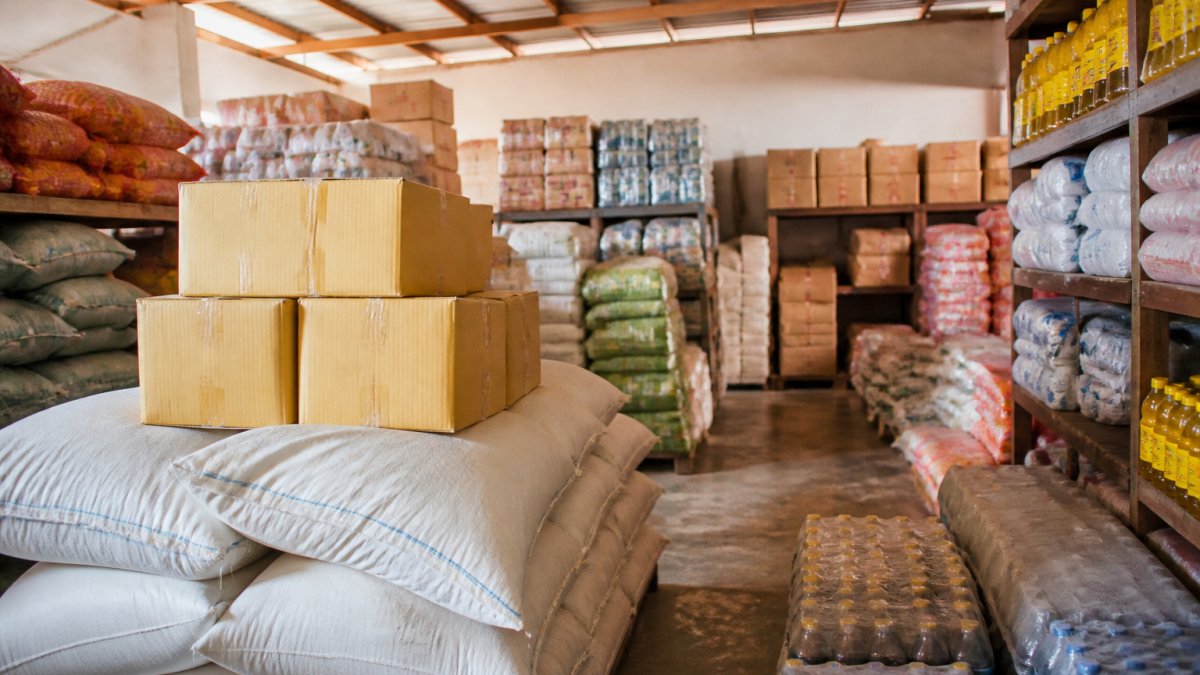
Ask to see the store room before you commit. Dry goods should sit off the floor on pallets, away from walls, in a space that stays dry and ventilated. Frozen goods need a working cold chain from warehouse to your door, not just a freezer at the end.
Traceability matters too. A good food wholesaler can tell you where a batch came from and when it arrived. If a customer complaint traces back to a product, you need that paper trail fast. The Food and Agriculture Organization's food safety guidance outlines why batch records protect both buyer and seller.
How to Compare Food Wholesalers in Ghana
Comparing food wholesalers in Ghana comes down to five checks: product range, price per unit at your order volume, delivery reliability, payment terms, and food safety standards. Score each supplier out of five and the decision usually makes itself.
Most restaurant owners compare on price alone. That is the mistake. A supplier who is slightly cheaper but delivers two days late will cost you more in lost covers than you save on rice. The right comparison is total cost of supply, not headline price.
Compare Total Cost, Not Unit Price
A quoted unit price tells you almost nothing until you add the costs around it. Build a simple landed-cost figure for each supplier using the same monthly basket of goods:
- Product cost at your real volume. Ask for a quote at your actual monthly order, not a sample carton. Wholesale pricing usually steps down as volume rises, so a supplier who looks expensive at ten cartons may be the cheapest at fifty.
- Delivery charges and thresholds. Some suppliers deliver free above a minimum order value and charge per trip below it. A low unit price with a delivery fee on every small order can erase the saving.
- Minimum order value. If a supplier's minimum is higher than your weekly usage, you either over-order and tie up cash or order less often and risk running out.
- Payment terms and fees. Cash-on-delivery, mobile money, and credit accounts carry different cash-flow effects. Confirm whether mobile money or card payments attract a fee before you rely on them.
- Shrinkage and short deliveries. Ask how shortages, damaged goods, and near-expiry stock are handled. A supplier who replaces short deliveries without argument is worth more than a small price advantage.
A practical method is to price the same basket, say a month of rice, cooking oil, canned tomatoes, frozen chicken, and flour, with three suppliers and compare the total including delivery and any fees. The lowest total wins, provided quality and reliability are equal.
| What to Check | Why It Matters | Red Flag |
|---|---|---|
| Product range | Fewer vendors to manage | Only staples, no proteins |
| Unit price at your volume | Protects your food cost margin | Prices quoted only for tiny orders |
| Delivery charges and minimums | Changes the real cost per order | Fees that wipe out the price saving |
| Payment terms and fees | Protects cash flow | Demands full payment upfront |
| Safety and storage | Protects customers | Won't let you see the store room |
Ask About Account Setup and Terms
Before you commit, confirm how the account works in practice. Ask whether there is a credit facility, what the payment cycle is, and whether a trial order is possible. A supplier who offers a small trial order lets you test delivery reliability and product quality before you depend on them for a full menu. Get the delivery window, minimum order, and payment terms in writing so there is no dispute later.
Restaurant Food Procurement Checklist Before You Commit
A restaurant food procurement checklist is a short set of questions and site checks you complete before opening an account with any supplier. It catches problems while you still have alternatives.
Work through this before you place a first bulk order:
- Confirm the supplier stocks every staple on your menu
- Get a written quote at your real monthly volume
- Visit the warehouse or ask for photos of the storage area
- Confirm cold chain handling for frozen goods
- Ask what happens when a delivery is late or short
- Check accepted payment methods and any fees
- Confirm minimum order value and delivery charges
- Request a trial order before committing to a contract
That last point matters more than most guides admit. A small trial order tells you more about a food distributor than any brochure.
Bulk Food Ordering for Restaurants: Quantities, Minimums and Payment Terms
Bulk food ordering for restaurants works best when you match order size to storage capacity, delivery frequency, and cash flow. Ordering too much ties up cash and risks spoilage. Ordering too little means emergency market runs at retail prices.
Set Order Size From Real Usage
Start with a simple weekly rhythm. Count what your kitchen actually uses across seven days for each staple and protein, add a small buffer for busy periods, and set that as your standing order. Adjust after the first month once you see real consumption. The right order size is the largest volume your store room can hold safely, ordered as often as delivery allows. Anything beyond that is cash sitting in a sack.
Storage capacity sets a hard ceiling. Dry goods need space off the floor on pallets, and frozen goods need freezer capacity that can hold the delivery without crowding. If your freezer is full, a larger order is not a saving, it is a spoilage risk.
Understand Volume Breaks and Minimums
Wholesale pricing usually steps down as order volume rises, but the steps differ by supplier and product. Ask each supplier where their price breaks fall and whether they apply per product or per order. A supplier with a low minimum order value suits a smaller restaurant ordering weekly; a larger restaurant may get better unit prices by ordering less often at higher volume. Match the supplier's minimum and price breaks to your actual ordering pattern rather than forcing your kitchen into a rhythm that does not fit.
On minimums and payment, ask directly:
- What is the minimum order value for delivery?
- Are there delivery charges below a certain threshold?
- Which payment methods are accepted, and are there fees?
- What credit terms, if any, are available?
- How are short deliveries, damaged goods, and near-expiry stock handled?
Mobile money has made bulk purchasing far easier for smaller restaurants. Confirm in writing that no hidden charges apply before you rely on it, and check whether credit accounts are available if your cash flow needs a payment cycle rather than cash on delivery.
Wholesale Food Delivery in Ghana: What Reliable Service Looks Like
Wholesale food delivery in Ghana is reliable when it arrives within a stated window, in full, with frozen goods still frozen. Everything else is marketing.
Ask prospective suppliers three questions. What is your delivery window? How do you handle a late or short delivery? Which areas do you cover outside Accra? A supplier serving Accra only may not suit a restaurant in Kumasi or Takoradi.
Consistent quality separates the good from the average. The same brand of cooking oil should arrive tasting the same every month. When it doesn't, your recipes drift and customers notice.
For context on how food moves through the supply chain and why cold chain discipline matters, the FAO's work on food loss and cold chains is worth reading.
Local Versus Imported Sourcing for Ghanaian Restaurant Kitchens
Local sourcing gives you fresher produce, shorter lead times and lower transport costs. Imported products give you consistency, wider variety and reliable year-round supply of items like pasta, canned goods and specialty foods.
The practical answer for most kitchens is a mix. Buy tomatoes, peppers and leafy greens locally and in season. Buy rice, flour, sugar, cooking oil and frozen proteins from a wholesaler who can guarantee consistent quality and steady stock.
This balance protects you two ways. Local buying keeps your food cost flexible when market prices swing. Wholesale buying of staples and imported products keeps your core menu stable when local supply tightens.
The Ghana Standards Authority sets product standards worth checking when you evaluate imported goods.
Conclusion
Building a reliable food supply chain is the hardest part of running a restaurant kitchen, and it never stops needing attention. Bundle Buy Ghana supplies wholesale and retail FMCG goods with flexible pricing, nationwide delivery and mobile money payments. Bulk order with Bundle Buy Ghana and keep your kitchen stocked without the market runs.
Frequently Asked Questions
Where do restaurants in Ghana buy food in bulk?
Most Ghanaian restaurants buy in bulk from a mix of sources: large open markets for fresh produce, specialist importers for rice, flour, cooking oil and canned goods, and organised wholesale food supply companies that deliver across Accra and other regions. The right mix depends on your menu and storage space. Many kitchens now consolidate staples and dry goods with one wholesale partner and buy fresh items daily, which cuts trips and keeps stock levels predictable.
How should a restaurant compare wholesale food suppliers in Ghana?
Compare on more than the headline price. Ask each supplier for their full product range, minimum order quantity, delivery schedule, payment terms and how they handle short deliveries or damaged stock. Check whether they can supply both local produce and imported products, and whether they provide invoices you can reconcile. Request a sample order first, then score suppliers on fill rate, delivery punctuality and product consistency over four to six weeks before signing up to a regular account.
What should restaurants check before choosing a food wholesaler?
Run through a short procurement checklist: confirm product availability and pack sizes, verify storage conditions for frozen chicken, seafood and other chilled goods, ask about delivery windows and regional coverage, and clarify minimum orders and payment methods including mobile money. Also confirm how the supplier handles returns and what documentation comes with each delivery. A wholesaler that answers these clearly before you order is usually the one that performs well after you do.
How can restaurants manage food costs when buying wholesale?
Track usage per dish, not just total spend. Set par levels for staples like rice, flour, sugar and cooking oil, and order to those levels rather than guessing. Buying in larger pack sizes lowers unit cost but only if you can store the goods safely and use them before expiry. Compare the landed cost per kilogram or litre after delivery, review prices monthly, and keep one backup supplier for each critical category so a single price increase or stockout does not disrupt your kitchen.