 how-to
Bulk Buying Essentials for Ghanaian Homes: 2026 Guide
Table of Contents
- Why Bulk Buying Essentials Makes Sense for Ghanaian Homes in 2026
- How to Save Money Buying Groceries in Bulk
- Building a Ghana Household Shopping List for Bulk Orders
- Bulk Food Storage Tips to Prevent Spoilage and Waste
- What to Buy in Bulk: Household Essentials, Kitchen Supplies and Cleaning Products
- Local vs Imported Household Products: What to Buy and Where
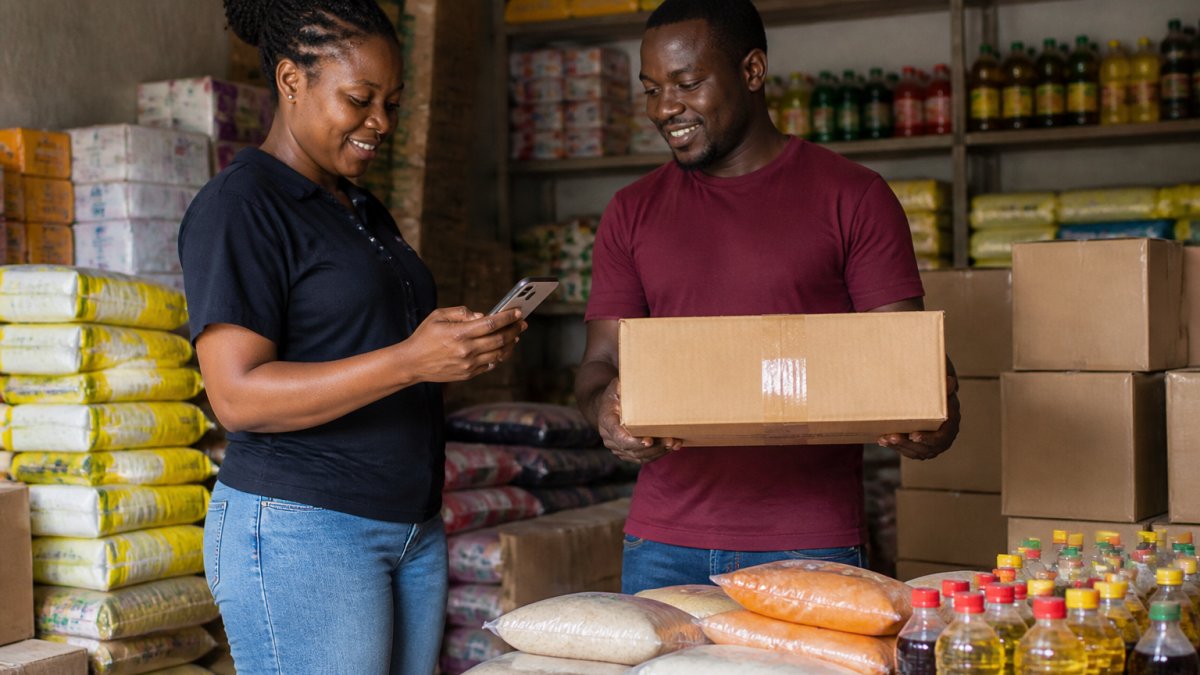
- Mobile Money Payments for Bulk Orders: How It Works
- A Practical Bulk-Buying Checklist for Ghanaian Households
- Frequently Asked Questions
Last Updated: October 19, 2026
Why Bulk Buying Essentials Makes Sense for Ghanaian Homes in 2026
Bulk buying essentials is the practice of purchasing everyday household goods in larger quantities than a single week requires, so the cost per unit drops and shopping trips become less frequent. This guide from Bundle Buy Ghana shows how Ghanaian homes can plan, budget and store bulk orders without waste.
The logic is simple, but the execution is where most homes lose money. Buying a whole sack without checking unit price, or storing it badly, can wipe out the saving entirely.
How to Save Money Buying Groceries in Bulk
The biggest mistake with bulk buying is assuming a bigger bag is always cheaper. Many households find that a sack bought on impulse costs more per kilo than a smaller bag bought after a quick unit-price check.
To save money buying groceries in bulk, follow three rules:
- Compare unit price, not pack price. Divide the total cost by the number of kilos, litres or pieces.
- Buy only what you can store properly. A bargain that spoils is not a bargain.
- Time your purchases around price patterns. Staples often cost more in lean seasons and around festive demand.
Comparing Unit Prices and Calculating Real Savings
Unit price is the cost of one standard measure of a product, such as one kilogram or one litre. To calculate real savings, divide each pack's price by its size, then compare the results side by side.
| Pack Size | Price Band | Unit Price Focus | Best For |
|---|---|---|---|
| Small retail pack | Highest per unit | Quick top-ups | Single-person homes |
| Mid-size pack | Moderate per unit | Balanced | Couples, small flats |
| Bulk sack or carton | Lowest per unit | Real savings | Families, shared homes |
A common mistake is buying bulk for a small household and losing the saving to spoilage. Match the pack to how fast you actually consume.
Building a Ghana Household Shopping List for Bulk Orders
Start your Ghana household shopping list with the items you use every single week, not the ones you use occasionally.
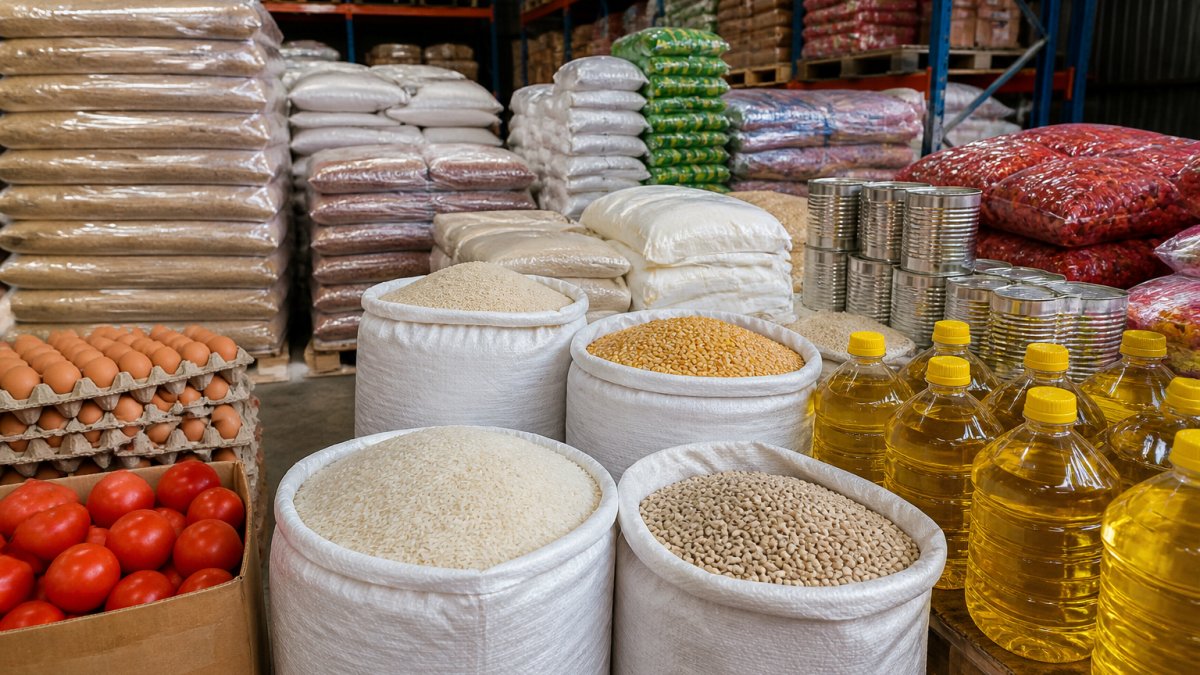
Daily staples: rice, cooking oil, maize, beans, sugar, salt, tomato paste.
Weekly consumables: detergent, bar soap, toilet roll, toothpaste, matches, sachet water where used.
Occasional extras: snacks, soft drinks, guest items, festive ingredients.
Write down what your household finished last month, then buy roughly one to two months' worth of the daily staples in bulk.
Matching Quantities to Your Household Size and Buying Frequency
Quantity planning is where bulk buying succeeds or fails. A household of two and a household of eight need completely different order sizes, and ordering like a bigger family just moves the waste from the shop to your store.
A simple approach is to count consumption for one week, then multiply by the number of weeks you want to cover:
- 1-2 people: buy mid-size packs and top up monthly.
- 3-5 people: bulk staples monthly, cleaning products quarterly.
- 6+ people or shared compounds: full sacks and cartons make clear sense.
Bulk Food Storage Tips to Prevent Spoilage and Waste
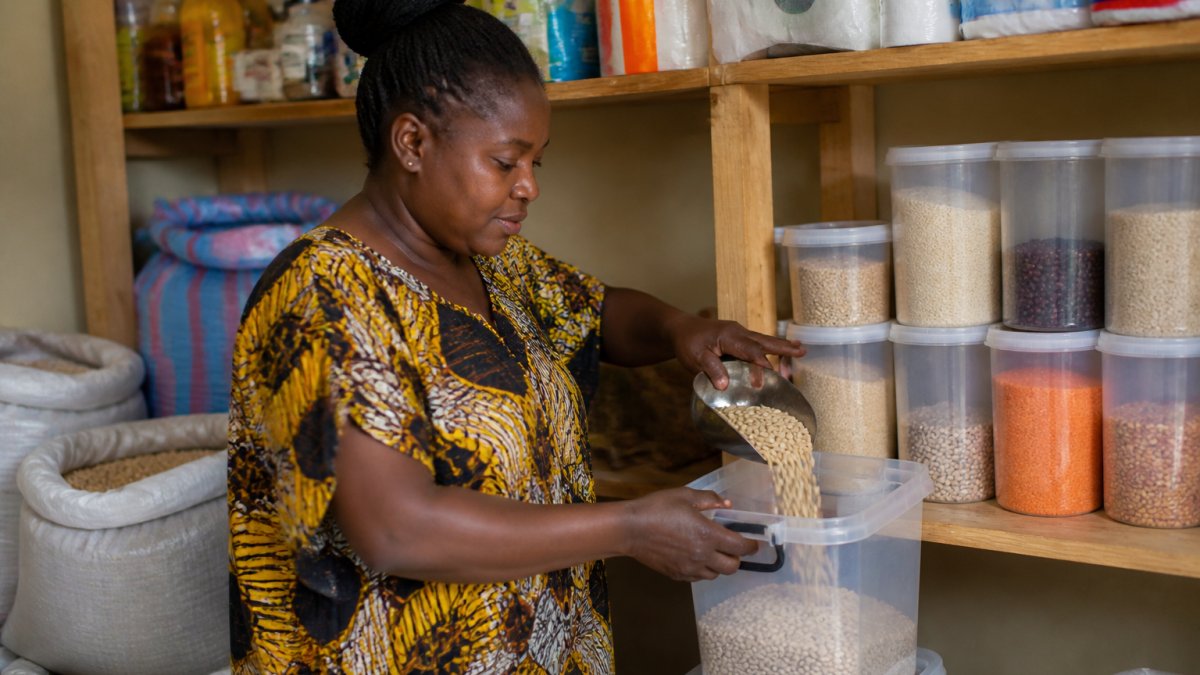
Good bulk food storage tips matter as much as a good price. The goal is to keep moisture, pests and heat away from your goods so the last cup tastes as good as the first.
Practical storage rules for Ghanaian homes:
- Decant into sealed containers. Transfer rice, beans and maize from sacks into airtight buckets or drums with tight lids.
- Keep goods off the floor. Raise containers on pallets or shelves to reduce damp and pest access.
- Store in a cool, dark, dry space. Avoid kitchens that trap heat and steam.
What to Buy in Bulk: Household Essentials, Kitchen Supplies and Cleaning Products
The best bulk buys are the items your home uses predictably, week after week, with a long shelf life.
Household essentials: toilet roll, tissue, bar soap, toothpaste, sanitary products, matches, batteries.
Cleaning essentials: detergent, bleach, dishwashing liquid, scouring powder, mops and brooms.
Storage and organization items: airtight containers, baskets, shelf racks and snack containers.
Avoid bulk-buying perishables you cannot freeze or store, and avoid electronics like portable chargers in large numbers unless you resell them.
Local vs Imported Household Products: What to Buy and Where
Choosing between locally made products and imported household items comes down to three factors: price, reliability of supply and suitability for your home. But the useful answer is not "it depends", it is a product-by-product rule of thumb, plus a clear picture of where each type of good is actually sourced in Ghana.
Where Ghanaian Households Actually Buy in Bulk
Bulk buying in Ghana happens through a handful of channels, and each suits different goods:
- Open markets and wholesale clusters (for example, the major market areas in Accra and Kumasi): best for staples like rice, beans, maize, oil and tomatoes, where you can inspect quality and negotiate. Bring your own containers or sacks where possible.
- Neighbourhood provisions shops and cold stores: useful for mid-size top-ups and for goods you do not want to store in large volume.
- Online and delivery-based FMCG suppliers: increasingly the practical route for combined orders of imported and local goods, especially when you want one delivery instead of three market trips. Confirm minimum order quantities and delivery fees before committing.
A common pattern is to buy staples from the market or a wholesale supplier and branded cleaning and personal-care products from an online FMCG supplier that stocks both local and imported lines.
A Product-Level Rule of Thumb
Rather than debating local versus imported in the abstract, apply this to the goods you actually buy:
- Buy local where quality is comparable: rice, maize, beans, cooking oil, bar soap, detergent, scouring powder, brooms, mops, baskets and basic storage containers. Local supply is usually fresher, more available, and priced without import markup.
- Buy imported where the formulation or brand genuinely matters: specific toothpaste or skincare brands, specialised cleaning products, some baby-care items, and durable kitchen items where a known brand's quality is the reason you are buying it. Expect to pay more and to depend on import cycles.
- Buy whichever is available and well-priced for commodities: sugar, salt, tomato paste, matches, batteries and toilet roll. These are close to interchangeable, so let unit price and availability decide.
The Trade-Offs That Actually Matter
- Price: local goods usually win because they avoid import duties, freight and currency exposure. Imported goods carry all three, which is why their prices move more when the cedi does.
- Reliability of supply: local staples are generally steadier, though they follow harvest seasons. Imported lines can go out of stock between shipments, so confirm availability before committing to a large order.
- Quality and consistency: for staples, local is often fresher. For branded or specialised goods, imported may be the only version you trust, in which case buy enough to cover the gap between shipments, not more.
A Practical Sourcing Plan
- List your bulk items and mark each as "local is fine," "brand matters," or "either."
- Buy the "local is fine" and "either" items from the market or a wholesale supplier, comparing unit prices across pack sizes.
- Buy the "brand matters" items from a supplier that stocks imported lines, and confirm availability before ordering in volume.
- Where one supplier stocks both local and imported FMCG goods, combine the order to save on delivery trips and keep a single transaction record.
Bundle Buy Ghana supplies both imported and locally sourced FMCG goods, so you can compare options in one order rather than splitting purchases across several suppliers.
Mobile Money Payments for Bulk Orders: How It Works
Mobile money payments for bulk orders let you pay for goods from your phone, confirm the transaction and keep a record, without carrying large amounts of cash to a market. For many Ghanaian buyers, this is now the default way to settle a wholesale order.
The process is straightforward:
- Place your order and confirm the total.
- Choose mobile money at checkout.
- Approve the payment prompt on your phone.
- Keep the confirmation message for your records.
Bundle Buy Ghana accepts mobile money payments and confirms orders once payment clears, which keeps the transaction traceable for both sides.
A Practical Bulk-Buying Checklist for Ghanaian Households
Use this checklist before every bulk order. It takes a few minutes and protects both your budget and your storage space.
- List the items your household actually finished last month
- Calculate the unit price of each pack size and compare
- Match quantity to household size and one to two months of use
- Confirm you have sealed containers and shelf space ready
Working through this list turns bulk buying from a gamble into a routine. For households across Accra and beyond, the savings come from consistency, not from one lucky purchase.
Frequently Asked Questions
What household essentials should Ghanaian families buy in bulk?
The essentials that save the most are the ones you use every day: rice, cooking oil, beans, gari, sugar, salt, tomato paste, soap, detergent, toothpaste, and toilet roll. These items have long shelf lives and steady prices per unit, so buying larger quantities cuts your cost per use. Perishables like fresh vegetables are better bought in smaller amounts unless you plan to freeze or share them. Start with your ten most-used items and build your bulk buying around those.
How do I work out whether a bulk purchase is cheaper?
Divide the total price by the number of units or the weight to get the unit price, then compare that against the smaller pack you normally buy. A 50kg bag of rice at a given price works out cheaper per kilo than five 10kg bags only if the per-kilo figure is lower. Factor in delivery fees and any mobile money charges too, since those can erase small savings. Keep a simple notebook or phone note of unit prices so you can compare across suppliers.
How should I store bulk food and household supplies at home?
Keep dry goods like rice, beans, and gari in airtight containers or sealed drums, off the floor and away from direct sunlight. Store cooking oil in a cool, dark place and keep detergent and cleaning products separate from food. Label containers with the purchase date so you use older stock first. In humid coastal areas like Accra, add a few moisture absorbers to grain storage and check for weevils monthly. Proper storage is what makes bulk buying pay off instead of wasting money.
Can I pay for bulk orders with mobile money in Ghana?
Yes. Mobile money payments for bulk orders are now standard with many suppliers, including Bundle Buy Ghana, which accepts mobile money alongside other payment options. You pay from your MTN MoMo, Telecel Cash, or AT Money wallet and receive a confirmation. Before paying, confirm the total including delivery so there are no surprises, and keep the transaction reference. Mobile money removes the need to carry cash and gives you a record you can check against your order.
Bulk buying rewards planning, and the hardest part is usually the first order: knowing what to buy, how much, and whether it will arrive on time. Bundle Buy Ghana makes that simpler with wholesale and retail FMCG goods, flexible pricing to suit your order size, reliable nationwide delivery, and convenient mobile money payments. Get started with Bundle Buy Ghana and place your first bulk order with confidence.